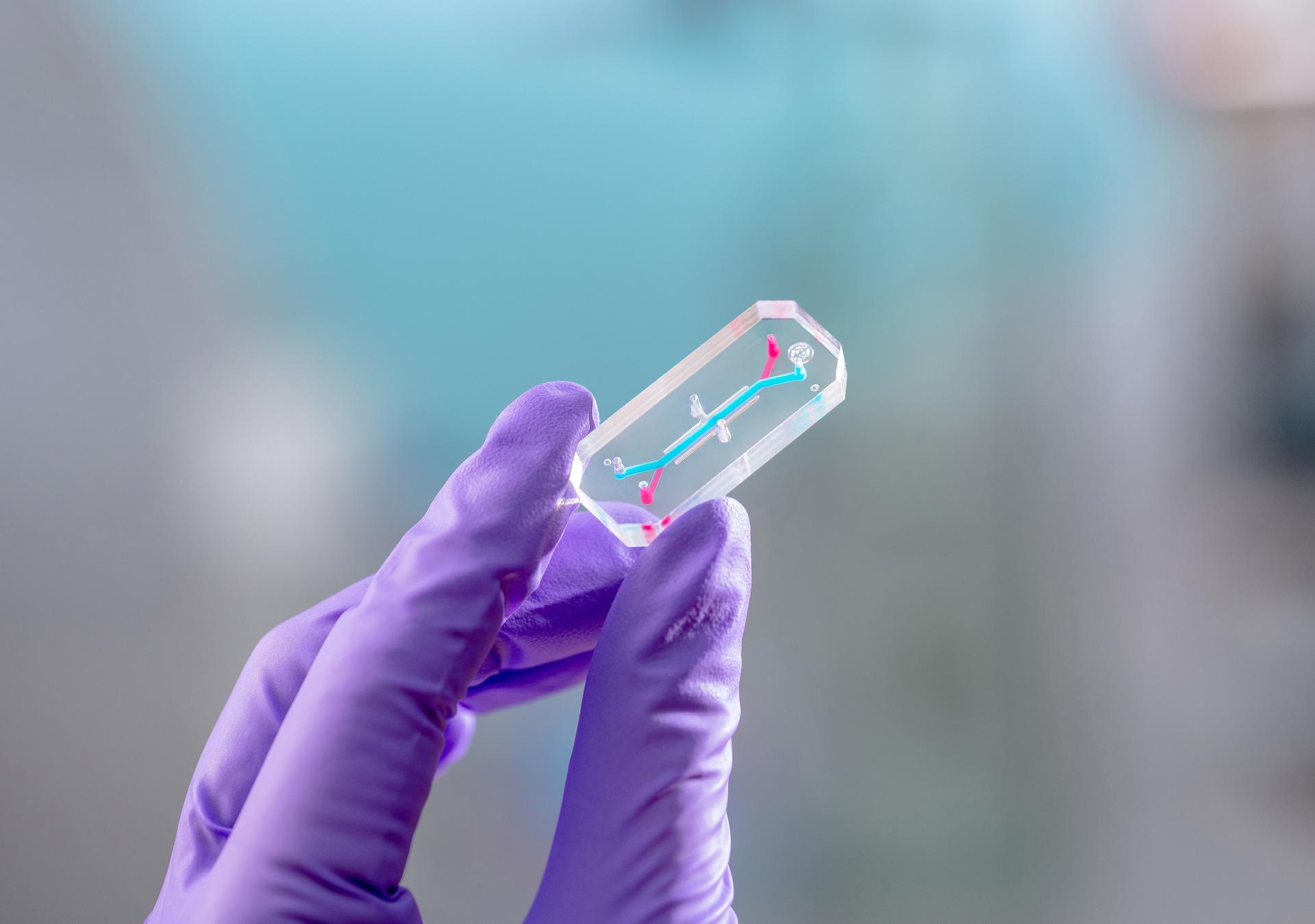
NASA's Biological and Physical Sciences (BPS) Division is working on a groundbreaking project called AVATAR, which aims to understand how living systems respond to the unique stressors of space exploration. The AVATAR investigation uses organ-on-a-chip devices, constructed from the cells of actual crew members, to study the effects of microgravity, radiation, and other space-related stressors on human health. This research has the potential to lead to significant advancements in healthcare, both for astronauts in space and citizens on Earth. The AVATAR project is a key part of NASA's efforts to prepare for long-duration deep space missions. As the agency plans to send humans to the Moon and beyond, it's essential to develop personalized, data-driven health strategies to protect individual crew members. The AVATAR investigation has already marked a significant milestone by demonstrating the use of an organ-on-a-chip model to generate personalized biological insights that can inform medical kits and countermeasures for future deep space missions. The BPS Digital AVATAR Challenge is an invitation to the scientific community to contribute to this research. By developing individualized computational physiological models, scientists can simulate and predict how a specific individual will respond to spaceflight stressors. This approach has the potential to revolutionize the way we approach space travel and healthcare. The AVATAR project is a testament to NASA's commitment to advancing our understanding of the human body's response to space travel. By studying the effects of space travel on human health, NASA can develop more effective strategies to protect astronauts and improve their overall well-being. This research also has the potential to benefit citizens on Earth, as it can lead to new insights and treatments for a range of health conditions. The AVATAR investigation is an exciting example of how NASA is pushing the boundaries of scientific knowledge and innovation. By working together with the scientific community, NASA can continue to advance our understanding of the human body and develop new technologies to support long-duration space missions.
Science
BPS Digital AVATAR Challenge
Prepared with AI assistance; not independently fact-checked. Original source: NASA